
Why Fuel Quality Is Quietly Costing Your Fleet: 5 Things Every Site Should Know
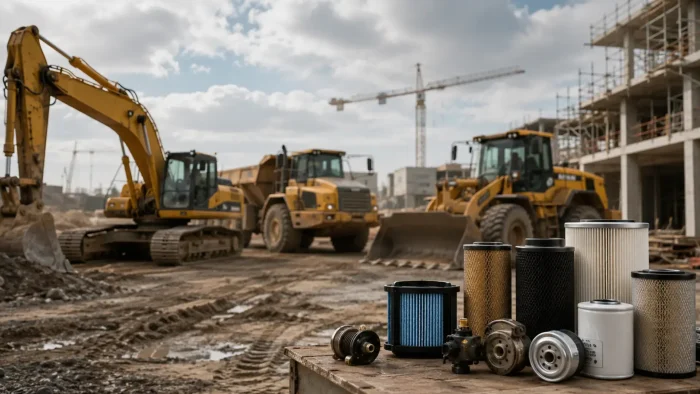
Modern diesel engines are unforgiving. Injectors and fuel pumps now run to tolerances measured in microns, which means fuel that would have been “good enough” a decade ago can now be the difference between a machine running to schedule and a machine sitting idle waiting on parts.
For mining, quarry and civil operations running fleets of 10, 20 or 30+ machines who are often storing fuel on-site rather than fuelling from a service station, fuel quality isn’t a background issue. It’s an asset protection issue. Here’s what’s actually going on inside your fuel system, and what to do about it.
1. Tiny Contaminants Cause Big Problems
Today’s common-rail diesel systems are engineered around extremely fine clearances. Particles that older engines shrugged off can now score injector tips and damage high-pressure pumps, components that are expensive to replace and, on a busy site, even more expensive to be without.
This is why high-efficiency fuel filtration isn’t optional on modern plants. A filter rated for yesterday’s engines won’t necessarily catch what today’s engines need to stop. At Filters Plus, our fuel filtration range is selected against current OEM specifications, not just physical fit, because a filter that fits the housing but not the tolerance is still a risk sitting in your fuel line.
2. Water Is a Major Threat
Water is one of the most common, and most damaging, contaminants in diesel fuel systems. It corrodes internal components, blocks filters, causes injector faults, and creates the conditions for microbial growth (“diesel bug”), which clogs fuel systems from the inside out.
On sites with bulk fuel storage, tanks that sit exposed to temperature swings and condensation for weeks between deliveries, water ingress is close to inevitable without the right protection in place. A properly specified fuel-water separator, matched to your storage setup and equipment, is the first line of defence before contamination ever reaches an engine.
3. Fuel Additives Aren’t a Fix-All
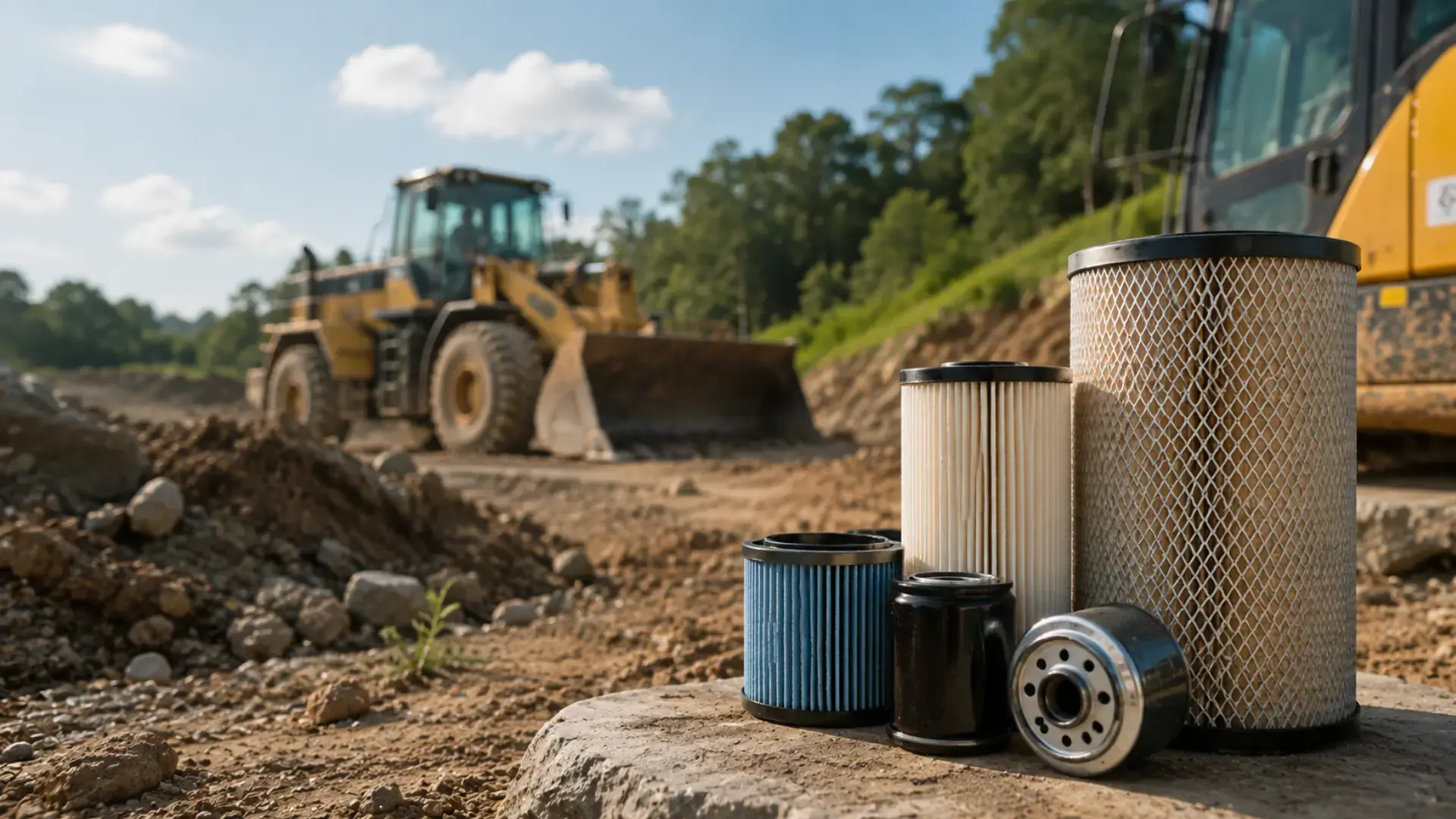
Additives have their place, but the wrong product, or the wrong dosage can create as many problems as it solves. Some formulations interact poorly with modern injector materials or filtration media, and “topping up with additive” is sometimes used to paper over an underlying filtration or storage problem rather than fix it.
Before adding anything to your fuel, it’s worth checking with a supplier who understands both the fuel chemistry and your filtration setup, not just whoever’s selling the additive.
4. Stored Fuel Still Needs Protection
Fuel doesn’t stay clean just because it’s sitting still. Bulk storage tanks accumulate water, sediment and contamination over time, particularly on remote sites where fuel might sit for extended periods between fills and turnovers.
Regular monitoring and filtration of stored fuel, not just fuel going into the machine, is what keeps a site’s entire fuel supply reliable. This is particularly critical for quarry, mining and civil operations managing their own on-site fuel infrastructure rather than relying on third-party bowsers, where there’s no external quality control checking what goes into the tank.
5. Modern Filters Are Doing More Work Than Ever
Today’s filters are built to capture far finer contaminants than filters from even five or ten years ago. One practical implication: a filter that appears to “load up” faster isn’t necessarily under-performing, it may simply be doing a better job of trapping the fine particulate that older media would have let straight through to the engine.
This is part of why filter selection matters as much as filter presence. The right filter, correctly rated for the fuel system and operating conditions, protects the investment sitting behind it, engines and injection systems that can run into six figures to replace.
Clean Fuel, Protected Equipment, Less Downtime
At Filters Plus, we work with mining, quarry and civil operators to build fuel filtration into the broader service kit for a fleet, not as an afterthought, but as a core part of protecting the assets that keep a site moving. That means fuel filters and fuel-water separators specified against your actual equipment and fuel storage setup, supplied as part of the same filter service kits covering your air, oil, hydraulic and cabin filtration.
If your site is running bulk fuel storage and a mixed fleet, it’s worth having your fuel filtration reviewed alongside the rest of your service kit. Get in touch with the Filters Plus team to talk through what’s right for your equipment and storage setup.