The Cost of Neglecting Filters in a Heavy Equipment Fleet for Risk Reduction
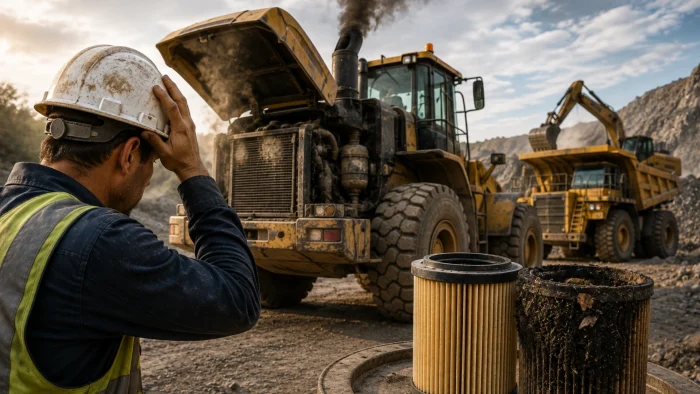
Why Filter Neglect Becomes a Hidden Cost in Heavy Equipment Fleets
When a wind farm site is running to schedule, the last thing you want is a machine sidelined by a preventable filter issue. Yet The Cost of Neglecting Filters in a Heavy Equipment Fleet can quickly show up as breakdowns, reduced efficiency and avoidable safety risks, all of which can disrupt maintenance windows and add pressure to already tight operations.
For wind farm operators, this topic matters because heavy equipment works hard in demanding, often remote conditions where dust, moisture and contamination are constant threats. Understanding Why Fuel Filtration Matters is particularly important because contaminated fuel can affect injectors, pumps and engine performance, creating avoidable maintenance issues. In practical terms, The Cost of Neglecting Filters in a Heavy Equipment Fleet is about preventing those contaminants from damaging engines, hydraulics, fuel systems and cooling circuits before they turn into expensive downtime.
In this post, we’ll look at the real costs of filter neglect, the operational risks it can create, and the practical maintenance habits that can help protect performance, extend equipment life and support safer worksites. We’ll also explore how clean air, fuel, oil, coolant and hydraulic systems contribute to reliable performance across quarry equipment, wind farm fleets and civil earthmoving machinery. For more information, visit our Heavy Equipment Filtration page.
At Filters Plus , we’ve spent more than 20 years helping Australian operators choose the right filters and supplies for heavy-duty applications, including mining, diesel, hydraulic and earth-moving equipment. If you’d like practical advice or help matching the right products to your fleet, please contact Filters Plus, we’re here to make filtration straightforward, effective and cost-conscious.
The Cost of Neglecting Filters in a Heavy Equipment Fleet
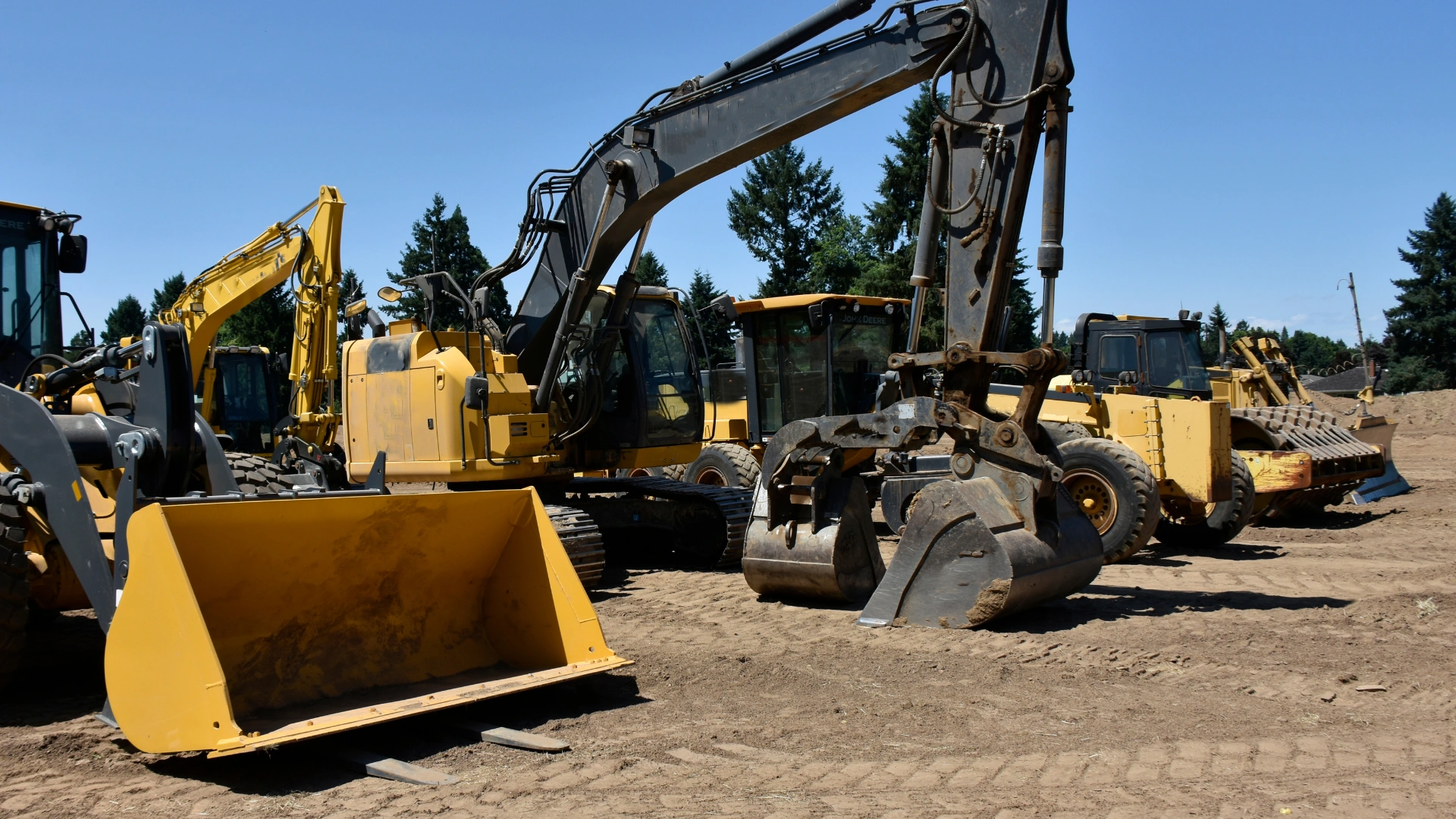
The Cost of Neglecting Filters in a Heavy Equipment Fleet is the total risk you take on when filtration is pushed down the priority list, not just the price of replacement filters, but the far bigger costs of downtime, damaged components, reduced efficiency and avoidable safety issues. For wind farm operators, that can mean excavators, telehandlers, service vehicles and support plant working harder than they should, with dirt, moisture and contaminants quietly building up inside critical systems. In simple terms, it is a small maintenance saving that can quickly turn into a much larger repair bill.
The main components of this cost are easy to overlook at first. Poor air filtration can allow abrasive particles into engines, fuel contamination can harm injection systems, dirty oil can accelerate wear, and neglected hydraulic filtration can reduce performance in equipment that powers lifting, steering and other vital functions. Cooling system neglect is just as serious, improper maintenance is linked to a large share of premature engine failure. It is a bit like running a wind turbine with a damaged blade coating: the machine may still operate, but the hidden wear keeps compounding until efficiency and reliability drop.
When we talk about The Cost of Neglecting Filters in a Heavy Equipment Fleet for Risk Reduction, we are really talking about preventing those small issues from becoming operational risks. Good filtration is a core part of Heavy Equipment Filtration because it helps keep engines, hydraulics, fuel systems and cooling circuits protected from the contaminants that cause malfunction and deterioration. The misconception is that filters are a minor consumable; in reality, they are one of the simplest ways to reduce the chance of unplanned stoppages and expensive component failure.
At Filters Plus, we help you choose the right filters, oil, coolant and equipment for the job, so your fleet stays cleaner, runs more reliably and supports safer operations. With the right filtration plan in place, you are not just replacing parts, you are protecting uptime, extending equipment life and reducing the risk that comes from avoidable contamination.
Essential Terms for Understanding the Cost of Neglecting Filters in a Heavy Equipment Fleet
When you’re managing heavy equipment, the right filter terms can make all the difference to uptime, safety and running costs. Here are the essentials to help you understand where The Cost of Neglecting Filters in a Heavy Equipment Fleet really comes from, and how to reduce risk before it turns into downtime.
Contamination
Contamination is any unwanted material in a system, such as dirt, dust, soot, metal particles, water or rust. In heavy equipment, these contaminants can quickly damage engines, hydraulics and fuel systems if filtration is not maintained properly. This is central to The Cost of Neglecting Filters in a Heavy Equipment Fleet because contamination is often the starting point for expensive wear and failure.
Filter restriction
Filter restriction happens when a filter becomes clogged and can no longer allow fluids or air to pass through freely. As restriction increases, equipment may lose performance, overwork components and consume more fuel. For risk reduction, understanding restriction helps you spot when a filter needs replacing before it affects productivity.
Hydraulic system
A hydraulic system uses pressurised fluid to power functions such as lifting, steering and braking in heavy machinery. Because these systems rely on clean fluid to work efficiently, neglected filtration can lead to poor response, component damage and costly repairs. In The Cost of Neglecting Filters in a Heavy Equipment Fleet, hydraulic failures can be especially disruptive because they often stop equipment from working altogether.
Fuel injection system
A fuel injection system delivers fuel into an engine in a precise way to support efficient combustion. If contaminants such as dirt or rust get through a poor-quality or overdue fuel filter, injectors can wear prematurely or block. That makes fuel filtration a major factor in reducing the financial impact of unplanned repairs and lost machine time.
Engine wear
Engine wear is the gradual damage that builds up as moving parts experience friction, heat and contamination over time. Clean air, oil and fuel filters help reduce this wear by keeping abrasive particles out of the engine. This matters because The Cost of Neglecting Filters in a Heavy Equipment Fleet often shows up first as reduced engine life and more frequent breakdowns.
Preventive maintenance
Preventive maintenance is the planned servicing of equipment before a fault occurs. It includes checking and replacing filters at the right intervals so small issues do not become major failures. For risk reduction, this approach gives you better control over operating costs and helps keep your fleet available when you need it most.
Downtime
Downtime is the period when equipment is out of service and unable to do its job. In heavy equipment operations, even a short stoppage can affect schedules, labour costs and project deadlines. Understanding how filter neglect contributes to downtime helps you see the true business cost behind a simple missed replacement.
Knowing these terms gives you a clearer view of how filtration affects reliability, safety and long-term cost control. With the right filters and a sensible maintenance plan, we can help you reduce risk and keep your heavy equipment working harder for longer.
FAQs on Filter Neglect, Fleet Costs and Risk Reduction
If you’re weighing up maintenance budgets, these FAQs cover the practical side of The Cost of Neglecting Filters in a Heavy Equipment Fleet. We’ve answered the questions we hear most often to help you reduce risk, protect equipment and keep your fleet working efficiently.
What is the real cost of neglecting filters in a heavy equipment fleet?
The cost goes well beyond the price of a replacement filter. When filters are left too long, contaminants can damage engines, hydraulics and fuel systems, leading to breakdowns, higher fuel use and expensive repairs. In many cases, one missed service interval can trigger downtime that costs far more than routine filter maintenance ever would.
How does poor filter maintenance increase operational risk?
Dirty or clogged filters reduce the ability of oil, fuel, air and coolant systems to do their job properly, which increases wear and the chance of component failure. For example, a restricted fuel filter can starve an engine of clean fuel, while a neglected hydraulic filter can allow abrasive particles to damage critical seals and valves. That creates avoidable safety, reliability and productivity risks across the fleet.
Which filters have the biggest impact on heavy equipment reliability?
Air, fuel, oil, coolant and hydraulic filters all play a vital role, but the most critical ones depend on the application. In dusty earth-moving or mining environments, air filtration is essential for keeping dirt and abrasives out of the engine, while high-performing fuel filters protect injection systems from rust, scale and other contaminants. Clean oil and well-maintained hydraulic filtration also help preserve performance and extend equipment life.
How often should filters be replaced in heavy equipment?
There is no single schedule that suits every machine, because service intervals depend on operating conditions, hours worked and the type of equipment. A machine working in harsh, dusty or high-load conditions will usually need more frequent attention than one in lighter service. The safest approach is to follow the manufacturer’s recommendations and adjust them based on real-world conditions and filter condition checks.
Can neglected filters really affect fuel economy?
Yes, clogged or low-quality filters can force systems to work harder, which often leads to poorer fuel efficiency. A restricted air filter can limit airflow and reduce combustion efficiency, while contaminated fuel can cause injectors to perform less effectively. Over time, that adds unnecessary fuel costs across the fleet and reduces overall performance.
What signs suggest a filter may be overdue for replacement?
Common warning signs include reduced power, harder starting, unusual engine noise, overheating, poor hydraulic response or visible contamination in the filter element. You may also notice higher fuel consumption or more frequent fault codes if the machine is fitted with monitoring systems. If a machine starts behaving differently, it’s worth checking the filtration system before the issue becomes a costly repair.
How can Filters Plus help reduce the cost and risk of filter neglect?
We help you choose the right filters, oil, coolant and equipment for the job, so your fleet gets the protection it needs without overspending. With over 20 years of experience supplying transport, earth-moving and automotive filters Australia wide, we understand how to match filtration to the demands of mining, hydraulic, diesel and heavy-duty applications. That means better reliability, fewer surprises and a smarter approach to The Cost of Neglecting Filters in a Heavy Equipment Fleet.
Good filtration is one of the simplest ways to reduce breakdowns, control running costs and protect valuable assets. If you want practical support for your fleet, Filters Plus is here to help you choose the right solution for the conditions you work in.
Protect Your Fleet, Reduce Your Risk
When you step back and look at The Cost of Neglecting Filters in a Heavy Equipment Fleet, the picture is clear: missed filter changes can lead to avoidable breakdowns, rising repair bills, reduced efficiency and unnecessary downtime. From air and fuel filters to oil, coolant and hydraulic systems, each filter plays a vital role in keeping your machinery running safely and reliably.
If you are looking for practical ways to improve reliability across your fleet, this is a strong place to start. For more on the wider subject, visit our page on Heavy Equipment Filtration. And if you need expert guidance, Filters Plus has the experience to help you choose the right filters and supplies for your application.
We have been supporting Australian businesses for over 20 years, and we know how important it is to keep heavy equipment performing at its best. If you would like tailored advice or help finding the right solution, contact us today, we are here to help you protect your fleet and make smarter maintenance decisions.