
How Dust and Fine Particles Affect Quarry Equipment Performance for Fleet Maintenance Support
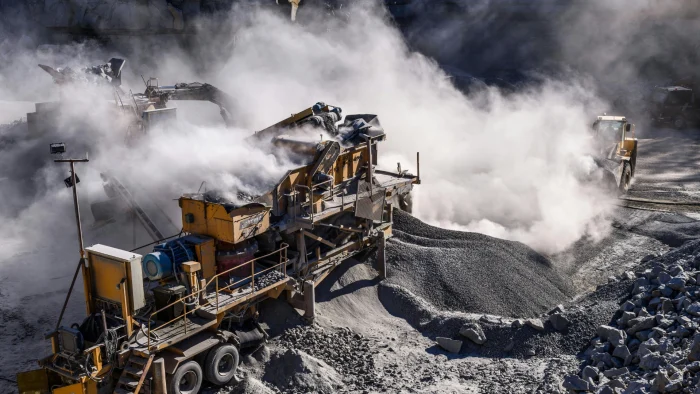
Why Dust Is More Than a Nuisance in Quarry Operations
If you work in a quarry, you already know dust is part of the job, but when fine particles start working their way into engines, hydraulics and cooling systems, they become far more than a nuisance. How Dust and Fine Particles Affect Quarry Equipment Performance is a question every fleet manager should take seriously, because even small amounts of contamination can quickly lead to wear, reduced efficiency and costly downtime.
We’ll cover the main ways dust affects quarry machinery, including engine intake contamination, accelerated component wear, cooling system strain and the impact on fuel, oil and hydraulic systems. We’ll also look at the practical maintenance steps that can make a real difference, from choosing the right filters to keeping inspection and replacement schedules on track. These are the details that help you reduce breakdowns, protect valuable assets and improve overall fleet performance.
Visit our Fencing Supplies Sydney page to explore the available options and find the right fencing materials for your next project.
At Filters Plus , we’ve spent over 20 years helping Australian operators find the right filtration and equipment solutions for tough applications, including mining and heavy-duty environments. If you’d like support choosing filters or improving your maintenance approach, contact us, we’re here to help you keep your quarry fleet performing at its best.
How Dust and Fine Particles Affect Quarry Equipment Performance
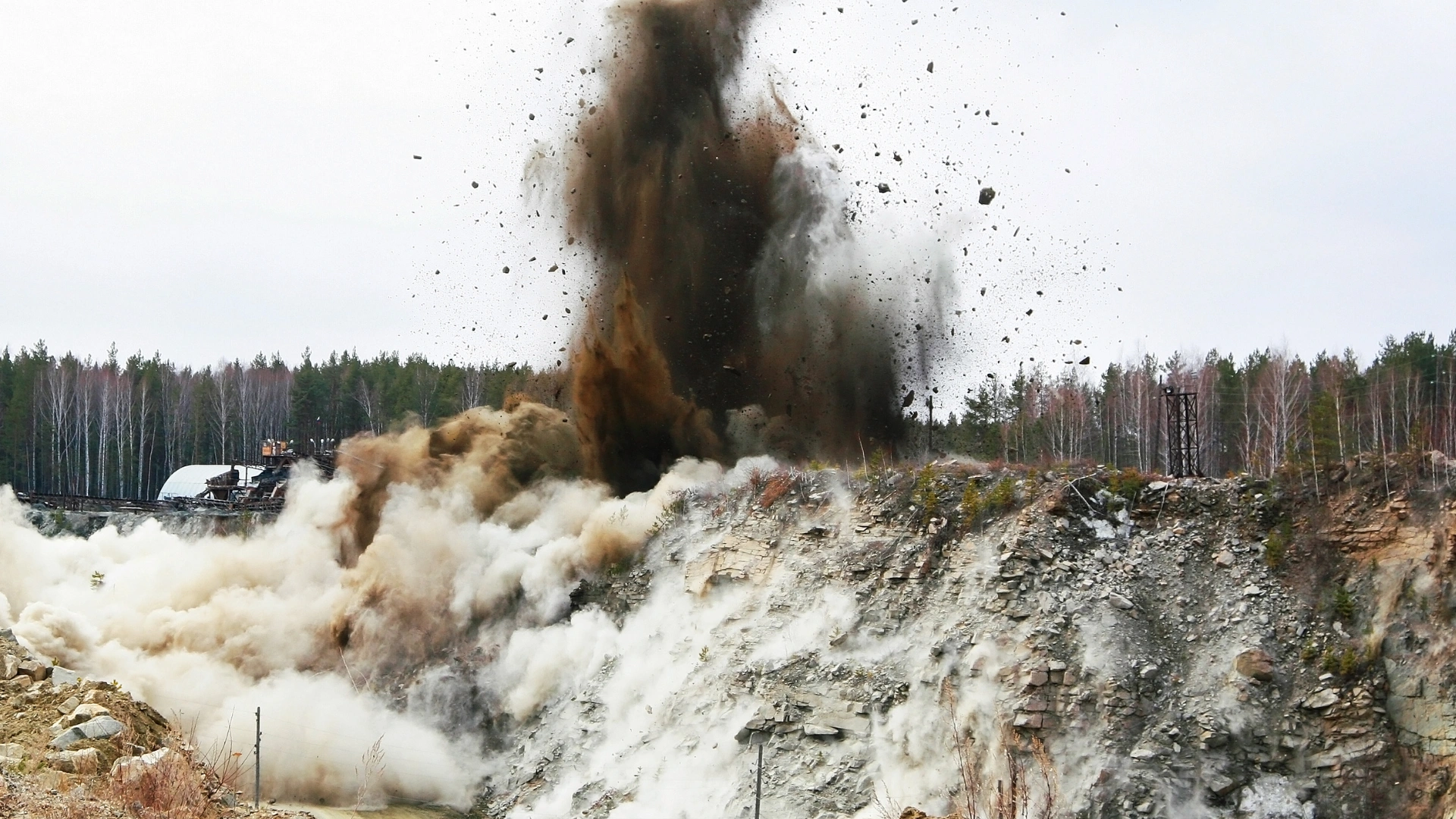
For fleet maintenance support, this matters because quarry equipment rarely gets a clean operating environment. Haul trucks, loaders, crushers and excavators are constantly exposed to abrasive particles that behave a bit like sandpaper inside the machine. Once those particles bypass filtration, they can cause clogged filters, restricted airflow, overheating, poor combustion, increased fuel use, and premature component failure. That’s why filtration is not a side issue in quarry operations, it’s central to keeping your fleet productive.
The right fencing materials are essential for creating secure, durable and well-finished properties, making the quality of your products an important consideration for any residential, commercial or development project. From boundary fencing to larger-scale installations, reliable materials can help improve durability, streamline installation and deliver a professional finish. For industrial and construction projects, Filtration for Quarry Loaders, Excavators and Haul Trucks also plays an important role in protecting heavy equipment from dust and debris, helping support reliable performance in demanding environments.
Filters Plus provides a range of filtration solutions to suit different heavy equipment and operational requirements, helping quarry operators, wind farm fleets and civil earthmoving businesses protect their machinery and maintain reliable performance. For more information, visit our Heavy Equipment Filtration page to explore our range and find the right filtration solutions for your fleet.
At Filters Plus, we help you choose the right filters and supplies for quarry conditions, so your equipment can keep working harder for longer with fewer avoidable breakdowns.
Terms to know when managing dust in quarry equipment
If you’re looking at How Dust and Fine Particles Affect Quarry Equipment Performance, it helps to understand the main terms behind contamination, wear and filtration. These are the ideas we work with every day when helping quarries protect their fleets and keep machines running reliably.
Particulate contamination
Particulate contamination is the presence of tiny solid particles such as dust, grit, sand or mineral fines in air, fuel, oil or hydraulic fluid. These particles can enter equipment systems and cause abrasion, blockages and premature wear.
Abrasive wear
Abrasive wear happens when hard particles rub against moving surfaces and gradually remove material. In quarry equipment, this can affect engines, hydraulics, bearings and other vital components.
Air filtration
Air filtration is the process of removing dust and other airborne particles before they reach the engine’s intake system. A well-matched air filter helps protect internal parts from damage caused by dirty operating conditions.
Hydraulic contamination
Hydraulic contamination refers to dirt or fine particles entering hydraulic oil and circulating through the system. Even very small amounts can reduce performance, increase heat and shorten component life.
Differential pressure
Differential pressure is the difference in pressure between two sides of a filter. As a filter captures more dust, this pressure difference rises, which can indicate that the filter is becoming restricted and needs attention.
Service interval
A service interval is the recommended time or operating-hour schedule for inspecting, cleaning or replacing filters and other maintenance items. In dusty quarry environments, these intervals often need close monitoring and may need adjusting to suit site conditions.
By understanding these terms, you can make better maintenance decisions, choose the right filtration support and reduce the risk of costly breakdowns. That’s a practical way to keep quarry equipment performing well, even in demanding dusty conditions.
Frequently Asked Questions About Dust and Quarry Equipment Performance
Dust is one of the biggest challenges in quarry operations, and it can quickly affect reliability, efficiency and running costs. Below, we answer common questions about How Dust and Fine Particles Affect Quarry Equipment Performance and what you can do to keep your fleet working at its best.
How do dust and fine particles affect quarry equipment performance?
Dust and fine particles can enter air intakes, fuel systems, hydraulics and engine compartments, where they cause abrasion, blockages and premature wear. Over time, this can lead to reduced power, higher fuel use, overheating and more frequent breakdowns. In a quarry environment, even small amounts of contamination can have a big impact on uptime and repair costs.
Which parts of quarry machinery are most at risk from dust contamination?
Air filters, fuel filters, hydraulic systems, radiators and engine components are among the most vulnerable parts. Dust can clog filters, reduce airflow and contaminate fluids, which puts extra strain on pumps, injectors and cooling systems. If you are running loaders, excavators or haul trucks in dusty conditions, these systems need close attention to stay reliable.
What are the warning signs that dust is affecting my equipment?
Common signs include reduced engine performance, rising operating temperatures, poor fuel economy, sluggish hydraulics and filters that need replacing more often than expected. You may also notice visible dust build-up around intakes or repeated fault codes linked to airflow or cooling issues. Catching these symptoms early can help you avoid more serious damage and unplanned downtime.
How often should filters be checked or replaced in a quarry setting?
There is no one-size-fits-all answer, because replacement intervals depend on dust levels, machine type and operating hours. In heavy quarry conditions, filters often need inspection far more frequently than standard service schedules suggest. We recommend checking them regularly and replacing them before restriction levels start to affect performance, rather than waiting for a failure.
Can better filtration really improve fleet maintenance support?
Yes, strong filtration is one of the simplest ways to support fleet maintenance and protect equipment life. Cleaner air, fuel, oil and coolant systems help reduce wear, improve reliability and lower the risk of expensive repairs. For busy quarry fleets, the right filters can make maintenance planning more predictable and help keep machines available when you need them most.
What can I do to reduce dust-related wear on quarry equipment?
Start with high-quality filters, regular inspections and a maintenance schedule suited to your site conditions. It also helps to keep intakes, cooling packs and service areas clean, and to replace worn seals or damaged housings promptly. If your equipment is operating in exceptionally harsh conditions, speak with us about filter options designed for heavy-duty and mining applications.
Why should I choose Filters Plus for quarry equipment filtration?
Filters Plus has over 20 years of experience supplying filters and filter supplies across Australia, including solutions for mining, diesel, hydraulic and heavy-duty equipment. We understand the demands of dusty worksites and can help you find the right air, fuel, oil and coolant filtration products for your fleet. That means practical advice, dependable products and support that helps keep your quarry equipment performing as it should.
Understanding How Dust and Fine Particles Affect Quarry Equipment Performance is the first step towards reducing wear and protecting uptime. With the right filtration and maintenance support, you can keep your fleet cleaner, more efficient and better prepared for demanding site conditions.
Protecting Quarry Equipment from Dust Damage
Understanding How Dust and Fine Particles Affect Quarry Equipment Performance is essential if you want to keep your fleet running efficiently and avoid costly downtime. Dust ingress can quickly undermine air intake systems, contaminate oil and fuel, and place extra strain on hydraulics, cooling systems and engines. Over time, that wear adds up, reducing reliability, shortening service intervals and increasing the risk of unexpected breakdowns.
For fleet maintenance support, the message is clear: prevention is far more effective than repair. With the right filtration strategy, regular inspections and timely replacements, you can help protect critical components before fine particles have the chance to cause lasting damage. This not only supports better performance on site, but also helps you improve equipment life, fuel efficiency and overall operating costs.
This is exactly where Filters Plus can help. With more than 20 years of experience supplying filters and equipment Australia-wide, we understand the demands of heavy-duty quarry and earth-moving applications. Our expertise in Heavy Equipment Filtration means we can help you choose the right solutions to keep dust, soot and abrasive particles under control.
If you’re looking to strengthen your maintenance program and protect your assets for the long term, now is the time to act. Contact Filters Plus today for practical advice, quality products and support tailored to your equipment and operating conditions.