
Heavy Equipment Maintenance in Dusty Conditions: What Fleet Operators Should Check for Technical Support

Why Dusty Sites Demand a Closer Look at Your Fleet
When dust is in the air, it is already working its way into every gap, vent and moving part on site. For quarries, that means Heavy Equipment Maintenance is not just a routine service topi, it is a frontline defence against avoidable downtime, poor performance and expensive component wear.
In this guide, we look at Heavy Equipment Maintenance in Dusty Conditions and why it matters so much for quarry operations. In simple terms, it is the process of inspecting the filtration, cooling, lubrication and fuel systems that keep heavy machinery running reliably when airborne dust is constantly trying to get in. That makes it directly tied to Heavy Equipment Filtration, where clean air, oil, fuel and coolant protection can make a major difference to machine life and uptime.
We will cover the areas fleet operators should be watching most closely, including air filters, fuel filters, oil cleanliness, cooling system condition and hydraulic protection. You will also see why small signs of contamination or restriction can quickly develop into larger mechanical issues when left unchecked. For quarry operators, wind farm fleets and civil earthmoving businesses, maintaining reliable filtration can help reduce equipment wear, support consistent performance and minimise unexpected downtime.
Filters Plus provides filtration solutions designed to help protect heavy equipment operating in demanding environments. For more information, visit our Heavy Equipment Filtration page.
At Filters Plus , we have spent more than 20 years helping customers across Australia find the right filters, oils, coolant and equipment for demanding applications, including mining and heavy-duty environments. If you need practical advice or help choosing the right products for your site, contact us and our team will be glad to assist.
Heavy Equipment Maintenance in Dusty Conditions: What Fleet Operators Should Check
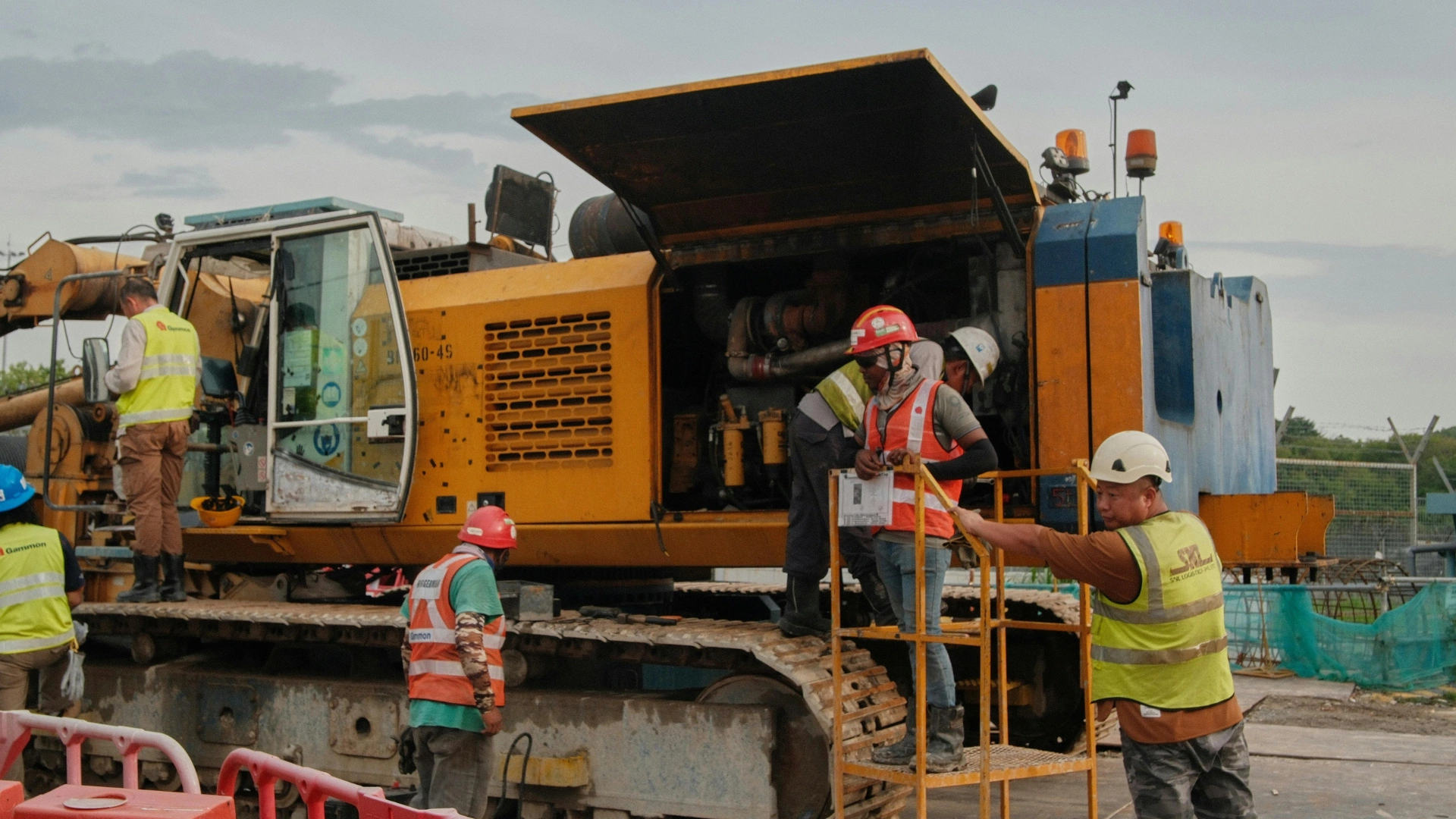
Heavy Equipment Maintenance in Dusty Conditions: What Fleet Operators Should Check is the practical routine of inspecting, cleaning and replacing the filtration and wear-prone components that keep quarry machinery running when airborne dust is constantly at work. In simple terms, it is about stopping fine grit from behaving like sandpaper inside your engines, hydraulics and cooling systems. For fleet operators, this means checking the parts that protect performance before dust turns into downtime.
The main areas to focus on are air filtration, fuel cleanliness, oil condition, hydraulic protection and cooling system performance. Air filters are often the first line of defence, because dusty sites can load them far quicker than standard operating environments. Fuel filters help prevent dirt, rust and scale from reaching injection systems, while oil filters keep abrasive contamination out of moving engine parts. It is a bit like wearing work boots in a quarry: the right protection does not stop the job, but it helps you keep going safely and efficiently.
This is where Heavy Equipment Maintenance in Dusty Conditions connects directly to Heavy Equipment Filtration. The two go hand in hand, because filtration is not just a single component; it is the backbone of equipment reliability. Understanding Why Clean Oil Matters is also essential, as effective oil filtration helps remove contaminants that can accelerate wear and reduce component life.
In dusty conditions, a filter that looks fine on the outside may already be restricted on the inside, so regular inspection matters just as much as replacement intervals. Including filtration checks in a Maintenance Schedule for Your Fleet can help operators identify restrictions early, maintain equipment performance and reduce the risk of unexpected downtime. That is especially important in quarries, where high dust loads can shorten service life and increase fuel use if left unchecked.
A common misconception is that maintenance in dusty conditions only means changing air filters more often. In reality, the whole system needs attention. Cooling systems can suffer if dust builds up on cores and radiators, and hydraulic systems can lose efficiency if contamination gets past seals or into fluid circuits. At Filters Plus, we help you match the right filters, oil, coolant and equipment to the demands of your site, so your fleet stays protected, productive and ready for the next shift.
Terms to know for Heavy Equipment Maintenance in Dusty Conditions
When you’re managing heavy equipment in quarries, dust can work its way into every part of the machine. Knowing a few important terms makes it easier to spot problems early, choose the right filters, and keep your fleet running reliably.
Air filtration
Air filtration is the process of removing dust, dirt and other airborne particles before they reach the engine. A good air filtration system helps protect internal components from wear and contamination, which is vital in harsh, dusty environments.
Restriction
Restriction refers to the resistance to airflow or fluid flow caused by a blocked or dirty filter. In practical terms, a restricted filter can reduce performance and force equipment to work harder than it should.
Pre-cleaner
A pre-cleaner is a device fitted before the main air filter to remove larger dust and debris particles first. It is especially useful in quarry and earth-moving work, where heavy dust loads can quickly overwhelm standard filtration alone.
Differential pressure
Differential pressure is the difference in pressure between two points in a filter or system, often used to show how clogged a filter has become. Monitoring it helps you know when maintenance is needed before damage or downtime occurs.
Contamination
Contamination means unwanted material such as dust, soot, water, metal particles or dirt entering a system. In heavy equipment maintenance, contamination is one of the main causes of engine wear, hydraulic issues and reduced equipment life.
Service interval
A service interval is the recommended time or operating-hours schedule for inspecting and replacing parts such as filters and fluids. In dusty conditions, these intervals often need closer attention because equipment can load up with debris much faster than in cleaner environments.
Hydraulic filtration
Hydraulic filtration is the removal of particles from hydraulic fluid to protect pumps, valves and cylinders. For quarry equipment, this is essential because dust-related contamination can quickly affect lifting, steering and other critical functions.
Understanding these terms gives you a stronger footing when checking equipment, speaking with technical support and deciding when maintenance is due. With the right knowledge, you can reduce downtime, protect components and keep heavy equipment performing in demanding dusty conditions.
FAQs on Heavy Equipment Maintenance in Dusty Conditions
Dusty worksites can be tough on engines, hydraulics and cooling systems, so it’s natural to have questions about what to check and how often. Below, we’ve answered the most common questions we hear from fleet operators to help you keep equipment running reliably and reduce avoidable downtime.
What should I check first in heavy equipment operating in dusty conditions?
Start with the air intake system, because dust is one of the fastest ways to damage an engine. Check the air filter, pre-cleaner, intake ducting and seals for blockages, cracks or poor fits that could let unfiltered air through. In Heavy Equipment Maintenance in Dusty Conditions: What Fleet Operators Should Check, this is usually the first and most important inspection because clean air is essential for combustion and engine life.
How often should air filters be replaced in dusty environments?
There’s no one-size-fits-all answer, as replacement intervals depend on the site conditions, equipment duty cycle and filter design. On very dusty jobs, such as quarrying or earth-moving, air filters may need checking far more often than standard service intervals suggest. If you notice reduced power, higher fuel use or visible dust loading, it’s wise to inspect and replace the filter sooner rather than later.
Which other filters are most affected by dust on heavy equipment?
Alongside air filters, fuel, oil and hydraulic filters all play a vital role in protecting your machinery. Dust can enter systems during refuelling, servicing or through worn seals, and those contaminants can cause injector wear, poor lubrication and hydraulic component damage. At Filters Plus, we often remind operators that filter maintenance is the foundation of equipment longevity and fuel efficiency.
How can I tell if dust is getting past the filtration system?
Warning signs include unusual engine wear, loss of power, excessive smoke, blocked filter indicators and dust found inside the air cleaner housing or intake tract. You may also see faster-than-normal oil contamination or hydraulic issues if abrasive particles are circulating through the system. If you suspect bypass or leakage, it’s important to inspect seals, clamps and housings straight away and replace any compromised components.
What cooling system checks matter most in dusty conditions?
Dust can quickly clog radiators, charge air coolers and fan shrouds, which reduces cooling efficiency and increases the risk of overheating. Check for packed debris between cooling fins, damaged screens and any signs that airflow is restricted around the engine bay. This matters because poor cooling maintenance is a major contributor to premature engine failure, especially on machines working long shifts in hot, dusty environments.
What should fleet operators ask technical support for when equipment keeps clogging filters?
If filters are clogging too quickly, technical support can help you identify whether the issue is the filter specification, service interval, intake design or site conditions. We’d recommend sharing the machine model, operating hours, environment details and the type of contamination you’re seeing, so the right solution can be matched to the application. In many cases, we can help you choose a better-suited filter or maintenance approach that reduces repeat failures and downtime.
Can the wrong filter really affect fuel economy and engine life?
Yes, an incorrect or poor-quality filter can restrict airflow, allow contaminants through or force systems to work harder than they should. That can lead to higher fuel use, reduced performance and accelerated wear across the engine, fuel system and hydraulics. Choosing the right filter for dusty conditions is one of the simplest ways to protect your equipment and keep operating costs under control.
Regular checks and the right filtration strategy make a big difference in dusty environments, especially when your equipment is working hard every day. If you need help selecting the right filters or troubleshooting an issue, Filters Plus is here to help you keep your fleet protected and productive.
Keeping Dust Under Control for the Long Haul
When it comes to Heavy Equipment Maintenance in Dusty Conditions, the message is simple: dust is relentless, and your maintenance approach has to be just as consistent. From air, fuel, oil and hydraulic filtration to cooling system care and routine inspections, every layer of protection plays a part in keeping machinery running efficiently and reducing avoidable wear. In harsh environments, small oversights can quickly become costly breakdowns.
That is why this topic matters so much for Heavy Equipment Maintenance in Dusty Conditions: What Fleet Operators Should Check for Technical Support. By understanding what to inspect and when, you can better protect engines, improve reliability and extend equipment life. This practical knowledge helps solve a real fleet challenge: keeping machines productive in conditions where contamination, heat and restricted airflow can all work against performance.
At Filters Plus , we understand how important the right filtration and maintenance advice is to your operation. Our experience across heavy duty, mining, diesel and earth-moving applications means we can help you choose the right products for the job and support you in maintaining cleaner, longer-lasting equipment. For a broader look at the role filtration plays across your fleet, visit our Heavy Equipment Filtration page.
If you are reviewing your maintenance schedule or need help selecting the right filters, oils or coolant for dusty worksites, we are here to help. Contact Filters Plus today for friendly, practical support that keeps your equipment protected and your fleet moving forward.